Comparing Gorilla Trekking in Uganda vs Rwanda
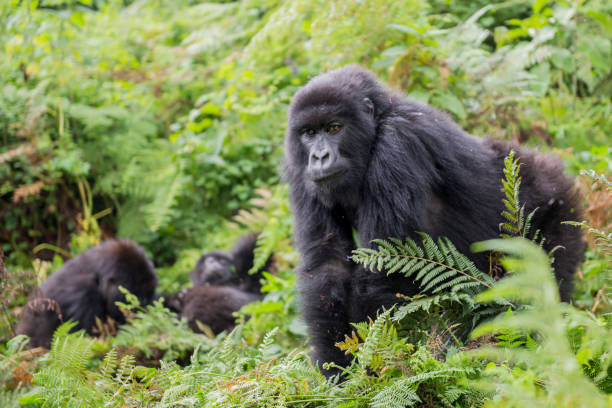
Mountain gorilla trekking is one of the most extraordinary wildlife experiences in the world. Both Uganda and Rwanda offer unforgettable opportunities to see endangered mountain gorillas in their natural habitat.
One of the most common questions travelers ask when planning a gorilla safari is:
Which is better to see gorillas, Rwanda or Uganda?
The answer depends on:
- Your budget
- Travel style
- Trekking preference
- Luxury expectations
- Time available
- Safari interests
Both destinations are incredible, but each offers different advantages.
Gorilla Trekking in Uganda
Uganda is considered one of the best gorilla trekking destinations in Africa because it is home to nearly half of the world’s remaining mountain gorillas.
Uganda offers gorilla trekking in:
- Bwindi Impenetrable National Park
- Mgahinga Gorilla National Park
Why Uganda Is Better for Gorilla Trekking
More Gorilla Families
Uganda has more habituated gorilla families than Rwanda, offering:
- More trekking options
- Higher permit availability
- More flexibility in booking
Bwindi alone has over 20 habituated gorilla families.
More Affordable Gorilla Permits
Uganda offers more affordable gorilla permits compared to Rwanda.
Uganda Gorilla Permit:
- Approximately $800 per person
Rwanda Gorilla Permit:
- Approximately $1,500 per person
This makes Uganda more attractive for:
- Budget travelers
- Families
- Backpackers
- Mid-range safari travelers
Travelers can often enjoy longer safaris in Uganda for the same price as shorter Rwanda trips.
Gorilla Habituation Experience
Uganda offers the exclusive Gorilla Habituation Experience in Bwindi.
This allows travelers:
- Up to 4 hours with mountain gorillas
This unique experience is only available in Uganda and is ideal for:
- Wildlife photographers
- Researchers
- Luxury safari travelers
- Primate enthusiasts
More Diverse Safari Experiences
Uganda allows travelers to combine gorilla trekking with:
- Big Five wildlife safaris
- Chimpanzee tracking
- Boat cruises
- Bird watching
- Cultural experiences
Top safari destinations include:
- Queen Elizabeth National Park
- Murchison Falls National Park
- Kibale National Park
- Lake Mburo National Park
Uganda is perfect for travelers seeking complete safari adventures.
More Scenic & Diverse Landscapes
Uganda offers:
- Rainforests
- Savannah parks
- Mountains
- Lakes
- Rivers and waterfalls
Many travelers consider Uganda more diverse for longer safari holidays.
Gorilla Trekking in Rwanda
Rwanda offers gorilla trekking in:
- Volcanoes National Park
Rwanda is famous for luxury gorilla trekking experiences and excellent tourism infrastructure.
Why Rwanda Is Better for Gorilla Trekking
Easier Accessibility
One of Rwanda’s biggest advantages is accessibility.
From:
- Kigali
Travelers can reach Volcanoes National Park in approximately:
- 2–3 hours by road
In Uganda, travel to Bwindi often takes:
- 8–10 hours from Entebbe or Kampala
- Or shorter drives from Kigali
Rwanda is ideal for travelers with limited time.
Luxury Gorilla Trekking Experiences
Rwanda is known for:
- High-end luxury lodges
- Premium safari experiences
- Excellent roads and infrastructure
- VIP safari services
Perfect for:
- Luxury travelers
- Honeymooners
- High-end safari experiences
Easier Trekking Terrain
Some gorilla treks in Rwanda are considered slightly easier because:
- The terrain is more open in some areas
- Volcanoes National Park has shorter transfer distances
- Gorilla families can sometimes be easier to access
However, trekking difficulty varies daily in both countries.
Excellent Tourism Infrastructure
Rwanda is known for:
- Clean cities
- Excellent roads
- Organized tourism systems
- Efficient travel services
Many travelers appreciate Rwanda’s smooth travel logistics.
Uganda vs Rwanda Gorilla Trekking Comparison
| Feature | Uganda | Rwanda |
|---|---|---|
| Gorilla Permit Price | More affordable | More expensive |
| Gorilla Families | More families | Fewer families |
| Gorilla Habituation | Available | Not available |
| Luxury Experiences | Available | Excellent |
| Accessibility | Longer drives | Shorter drive from Kigali |
| Wildlife Safari Options | More diverse | Limited wildlife safari options |
| Budget Travel | Better | Less affordable |
| Trekking Variety | More trekking sectors | Single main trekking area |
Which Country Is Better Overall?
Uganda Is Better For:
- Budget travelers
- Longer safari holidays
- Gorilla habituation experiences
- Wildlife and gorilla combinations
- Diverse safari adventures
- Travelers seeking value for money
Rwanda Is Better For:
- Luxury travelers
- Short gorilla trips
- Easier accessibility
- Honeymoon safaris
- Premium travel experiences
Can You Combine Uganda and Rwanda?
Yes — many travelers combine both countries for a complete East African safari experience.
Popular combined experiences include:
- Gorilla trekking in Uganda
- Kigali city tours
- Rwanda cultural experiences
- Wildlife safaris in Uganda
- Chimpanzee tracking adventures
Cross-border safaris offer the best of both destinations.
Best Time for Gorilla Trekking
Both Uganda and Rwanda offer year-round gorilla trekking.
Best Seasons:
- June to September
- December to February
These dry seasons provide:
- Easier trekking conditions
- Better photography opportunities
- Comfortable safari weather
What to Pack for Gorilla Trekking
Recommended items include:
- Waterproof hiking boots
- Rain jacket
- Long trousers and sleeves
- Gardening gloves
- Camera
- Drinking water
- Snacks
- Insect repellent
Good preparation improves trekking comfort.
Why Book with Openbill Safaris Uganda?
Openbill Safaris Uganda specializes in:
- Uganda gorilla trekking safaris
- Rwanda gorilla trekking tours
- Combined Uganda-Rwanda safaris
- Gorilla habituation experiences
- Wildlife and Big Five safaris
- Luxury and budget safari packages
We provide:
- Gorilla permit assistance
- Professional safari guides
- Reliable 4×4 safari vehicles
- Customized safari itineraries
- Luxury and affordable safari options
- Excellent customer service
Through Openvision Foundation Uganda, we also support conservation and community empowerment through sustainable tourism initiatives.